What Is The 2026 Vape Tax?
February 17, 2026
In October 2026 the Tobacco and Vapes Act, otherwise called the vape liquid tax will go into effect. The bill is expected to affect vapers in several different ways, from increasing the cost of e-liquids to tighter regulations on vapes and who can vape.
The main changes are set to include:
- Making the sale of tobacco and vaping products to anyone born on or after January 1st 2009 illegal. This is expected to take effect from January 1st 2027.
- Vaping products will be more strictly regulated, from advertising to displaying them.
- All e-liquids will be subject to an extra tax, paid by vape retailers. This will in turn make buying e-liquids more expensive.
What laws will change under the new vape tax?
- Anyone born after 2009 will not ever be allowed to purchase tobacco products.
- 18+ age restriction on non nicotine vapes.
- Vape vending machines will be banned completely.
- Companies will no longer be allowed to give out free samples of vape products.
- Retailers will need a licence to sell vapes.
- Harsher sanctions against illegal vapes.
- Restrictions on marketing, display, flavours, and packaging.
The projected rise in e-liquid costs
The new tax is set to apply to all e-liquids regardless of nicotine content. Vape distributors will be expected to pay this tax on all e-liquids directly to the UK government which will in turn increase prices for customers.
As the tax goes into effect a flat rate of £2.20 per 10ml of e-liquid will be applied to all e-liquids. This will be on top of the current 20% consumer goods VAT which applies to all vape products, not just e-liquids.
Product price increase breakdown
10ml nic salt e-liquids
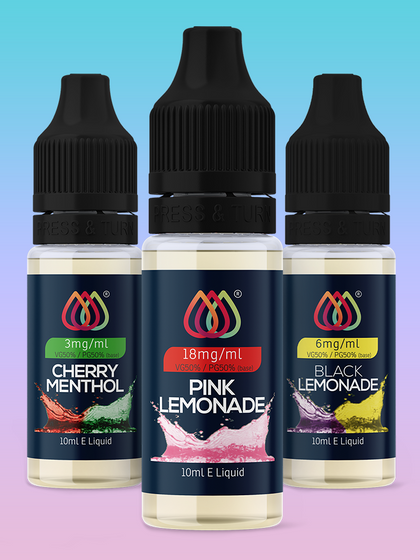
10ml e-liquids aren`t expected to become significantly more expensive. As the tax applies to every 10ml of e-liquid you will only be paying around £2.20 extra on these products.
Nic shots
Nic shots are usually around 10ml, meaning that they will probably also only be taxed £2.20 more than they are currently.
Nicotine-free e-liquids
Nicotine free e-liquids are often sold as 50ml and 100ml shortfills, meaning these products are actually expected to increase in price the most.
Refillable vape kits
If being sold as a device only, refillable vape kits will not increase in price at all. However, currently a lot of these kits are sold with e-liquids, something which may change to stop the e-liquid tax increasing the price after the tax is implemented.
Pre-filled pod kits
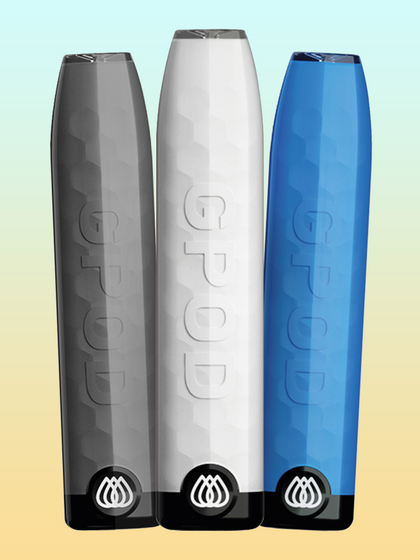
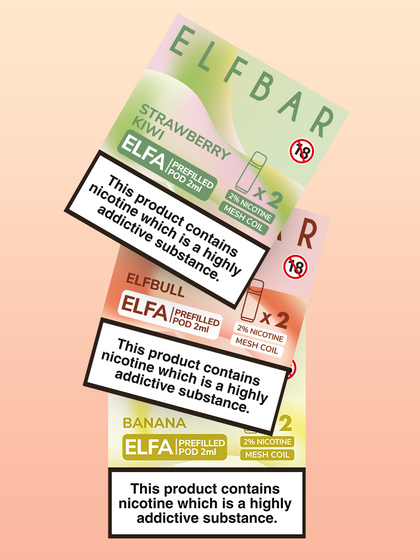
Again, the device itself will not increase but currently most pre-filled pod kits come with pre-filled pods. This may also be changed to keep stop vape devices themselves from becoming more expensive.
Why is the vape tax being introduced?
Since the Tobacco and Vapes bill became law in April 2026, the government have been setting out their main aims for the law:
- Aim 1: Create a smokefree generation. The hope is that banning the sale of tobacco products to anyone born after 2009 will create a generation of non-smokers, thus reducing the strain on the NHS caused by tobacco use.
- Aim 2: Reduce youth vaping. There is concern currently about how the packaging and flavourings in vapes may appeal to children, increasing youth vaping.
- Aim 3: Improve the regulation of tobacco products. It is expected that stricter laws will be implemented around display, advertising, and available flavours.
- Aim 4: Prevent illegal and underage sales. This act will help give enforcement teams more power to take action against illegal vapes.
How quickly will the new rules take effect?
None of the new rules are expected to take effect instantly. The tax isn`t expected to take effect until October 2026, and even after this there will be a 6 month grace period for companies to adjust their prices and apply duty labels to all of their e-liquids. Other measures like banning the sale of tobacco products to anyone born after 2009 will take effect at the beginning of 2027.
The potential concerns
Largely the Tobacco and Vapes Act will be a good thing! It should help standardise quality among different retailers and limit the sale of vapes to underage people. However, there is currently some concern that banning the sale of tobacco and nicotine containing products to those born post 2009 may help increase the illegal market in the future.
At the moment e-liquids are taxed in the same way as standard consumer goods. That is, a flat 20% VAT on all products including devices, e-liquids and nicotine pouches.
Once the vape tax goes into effect, a stamp will be attached to all e-liquids that have paid the duty fee. There is a 6-month grace period so you may not see these on every bottle of e-liquid until April 2026.
The aim of the e-liquid tax is to discourage youth from vaping by making it unaffordable for them.
No, even after the tax takes effect, vaping will still be a much more affordable option than smoking. The costs of smoking are also expected to increase at the same time as the vape tax. Smoking is also currently taxed at a far higher rate than vaping is, with a costly excise duty applying as well as a standard 20% VAT .
In summary...
Although the costs of e-liquids are about to increase, vaping is still expected to remain cheaper than smoking. The new Tobacco and Vapes Bill is set to see renewed collaboration between government and legitimate retailers, hopefully edging illegal sellers out of the market. Aquavape will adhere strictly to the new guidance, keeping our vapers informed and aware of any changes.
Related Posts
-

13/08/2026
How to Unlock Pixl Duo 12 Vape
Having trouble unlocking your Pixl Duo 12 device? This article takes you through the steps on how to unlock a Pixl Duo 12 vape. Learn more here!
-

31/07/2026
Have Your Say: The Future Of Vaping Packaging and Display
Want to have your say on the future of vaping? This article lays out the government's plans and what you can do to help!
-

10/06/2026
How to Unlock Pixl 8000 Vape
Having trouble unlocking your Pixl 8000 vape? This guide on how to unlock a Pixl 8000 vape takes you through the steps so you can unlock your device and start vaping!


