What Happens When You Quit Smoking and Start Vaping?
By David Watts
May 22, 2026

Every year more smokers are switching to vaping. If you're about to make the leap, you're probably wondering what happens when you quit smoking and start vaping. It's a very valid question and one that should be asked.
When you switch from smoking to vaping, you may experience:
- Better taste and smell
- Improved blood circulation over time
- Temporary coughing up of mucus and debris
- Less exposure to tar and carbon monoxide
- Improved breathing and less breathlessness
- Vaper's Cough
- Continued nicotine cravings
- Mild headaches or dizziness during adjustment
These side effects are usually temporary, as your body adjusts to life without tobacco. Most people notice the biggest improvements in the first few days to weeks.
Let's read on to get a better understanding of it all...
What happens to your body when you quit smoking?
Speaking from my own experience, normally when you give up smoking you will experience a few days of mild discomfort. This usually includes slight headaches and irritation, coughing up of phlegm and possible mood swings. These are the side effects of your body detoxing from the thousands of chemicals in tobacco, particularly nicotine. Heavier smokers will usually experience this more than others.
What happens after the first few days of quitting?
After a few days, the physical withdrawals usually start settling and you'll start to feel physically healthier. It's usually around this time that the nicotine cravings start kicking in.
While this is happening, your body's heart rate and blood pressure return back to normal, and blood circulation improves.
Here is an outline of the timeframe of quitting smoking:
Days 1-2: Improved circulation and early nicotine withdrawal
- 20 minutes - Your heart rate and blood pressure return to a normal rate.
- 8 hours - The carbon monoxide starts to leave your body, and your breathing improves.
- 48 hours - By this point, the carbon monoxide has almost completely left your body. You'll usually find yourself coughing up phlegm as your lungs begin clearing out mucus.
Aside from these physical improvements, you will find yourself craving nicotine. This is caused by the brain and body adjusting to life without nicotine and the early withdrawal stages.
Days 3-7: Intense nicotine cravings and higher energy
This is usually when nicotine cravings are at their strongest. You will probably experience an intense desire to smoke, along with headaches and irritability. While uncomfortable, this is totally normal, and will pass with time. Despite this, you'll usually find yourself breathing a lot easier, with improved energy levels.
- 72 hours - The airways in your lungs begin to relax and open up, making breathing noticeably easier. As the carbon monoxide levels in your body continue to drop, you may find yourself feeling more energetic.
- 7 days - By the end of the first week, the physical withdrawal symptoms like headaches should have completely eased off. You will also feel a psychological boost, and improved taste and smell with increased appetite.
Weeks 2-12: Huge healing and circulation improvements
This is the time when you'll start noticing huge improvements to your breathing and energy levels, with cardio exercises like walking and running much easier. The physical withdrawal symptoms should have completely disappeared, with your immune system strengthened. You will likely still be experiencing short bursts of nicotine cravings, but these aren't as intense and will usually disappear after a few minutes at a time.
Months 3-9: Hugely improved lung function
According to an NHS article on quitting smoking, lung function can improve by up to 10% during this period, with less wheezing, coughing or breathing problems. Your full senses of taste and smell will also likely have returned by this point. While cravings aren't as common during this period, social situations and life stresses can still increase the urge to smoke. You can handle these cravings with methods like taking a deep breath, going for a walk or drinking a glass of water.
1 Year: Risk of heart attack drops by 50%
This is a huge achievement in your quitting-smoking journey. Aside from feeling healthier with improved energy and blood circulation, reportedly, your risk of heart disease or heart attack halves compared to that of a smoker.
5 Years: Risk of mouth and throat cancers drops by 50%
According to studies from cancer.org, your chances of developing mouth, throat and voice box cancers can drop by up to 50% in five years with a lower risk of strokes compared to a smoker.
10 Years: Risk of lung cancer drops by 50%
After ten years as a non-smoker, your risk of developing lung cancer reportedly halves in comparison to a continued smoker. While the risk is still higher compared to that of a lifelong non-smoker, this will continue to decrease over time.
What happens to your lungs when you switch from smoking to vaping?
When switching from smoking to vaping, your lungs are exposed to far fewer toxic chemicals than there would be from cigarette smoke. While not risk-free, vapes don't contain tar and carbon monoxide - two of the most harmful chemicals in tobacco. This change will usually result in a clear-up of mucus and debris from the lungs, with many users reporting improved breathing and reduced coughing. Here is a breakdown of the changes you will likely experience when making the switch...
- Less Exposure To Toxic Chemicals - Although vaping has its own health risks, vapes have far less harmful chemicals than smoking tobacco.
- Improved Breathing - When you quit smoking, your lungs will start to clear any built-up mucus and debris in your lungs caused by tar from tobacco. This will usually result in clearer airways and improved breathing in your daily life.
- Potentially Less Coughing - When you first give up smoking, you will likely experience some coughing up of phlegm caused by mucus and debris. Some new vapers initially experience 'vaper's cough', while your body adjusts to the aerosol and throat hit caused by nicotine salts. This again is usually just temporary and will fade over time.
- Improved Stamina - While neither smoking or vaping is good for cardio, you may find it easier doing physical activities like walking up stairs or running. This is because vapes don't contain the carbon monoxide from tobacco smoke which can affect oxygen levels.
Does vaping feel like smoking?
No, the vaping sensation is quite different from vaping when compared to smoking. Tobacco usually provides a warm, harsh throat hit, while vapes offer a cooler, smoother throat hit - particularly with nicotine salts. The flavour experience is a lot different in vapes too, with juicy fruit, icy menthol and indulgent dessert options, among many. The nicotine delivery in tobacco is generally faster than in vapes, although nicotine salts make a satisfying alternative for smokers looking to make the switch.
The Benefits of Quitting Smoking and Vaping Instead
There are a number of benefits from making the switch from smoking to vaping. Aside from the lack of exposure to harmful chemicals, most users find that vapes taste better, offer a bigger variety of flavours and cost less in the long-term. Read on for the benefits of switching to vaping...
- Less Exposure to Harmful Chemicals - Unlike cigarettes, vapes don't burn tobacco - meaning you're not inhaling tar and carbon monoxide into your lungs.
- Better Taste - This is subjective of course, but most vapers find that they much prefer the flavour of vapes than cigarettes.
- Greater Flavour Variety - Vape kits, pods and e-liquids come in a much wider selection of flavours when compared to cigarettes. From juicy fruit to frosty menthol, fizzy drink and rich dessert options, there's far more variety than traditional cigarettes can offer.
- Cost Savings - For now at least, the long-term cost of vaping is a lot cheaper than smoking. Cigarette prices have seen a huge rise in the last decade, with vapes a considerably cheaper alternative.
- Less Lingering Smell - Vapour doesn't leave the lingering scent on clothes and breath that tobacco does, meaning you can go about your day feeling fresher, without the smell of smoke around you.
- No Ash or Cigarette Butts - Vaping doesn't leave the mess you get with smoking, meaning no cigarette butts or ash burns.
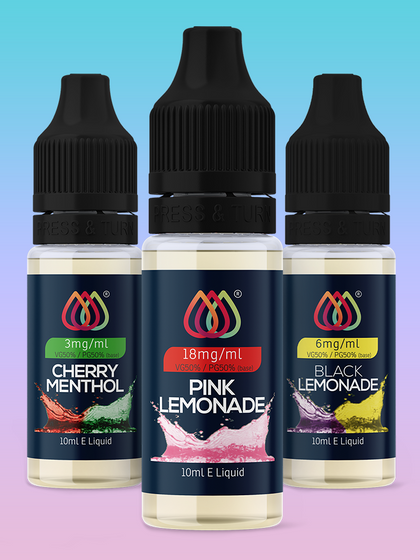
- Nicotine Strength Choices - Vape pods and e-liquids are available in different nicotine strengths ranging from 0mg (nicotine-free) to 20mg, so whether you're seeking a stronger or less intense nicotine hit, there's an option for you.
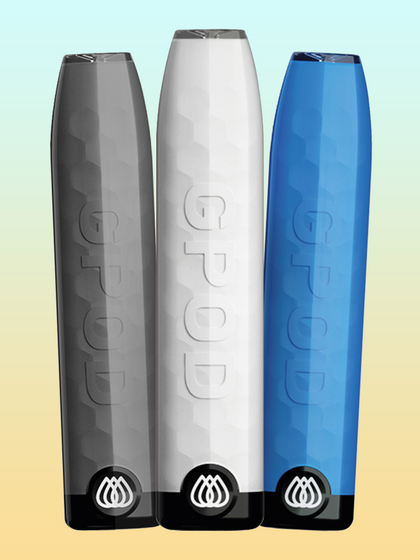
- Wide Kit Variety - Whether you prefer a simple pod kit or a more advanced sub-ohm device, there are options to suit different vaping styles and preferences.
Do vapes help you give up smoking?
Yes, many smokers find vapes helpful in giving up tobacco. Vaping mimics the hand routine and physical sensation of smoking, while offering greater flavour and nicotine strength variety. It's important to note that, like cigarettes, vapes still contain nicotine, which is a highly addictive substance, with side effects including increased heart rate and blood pressure.
Conclusion - What happens when you quit smoking and start vaping?
To summarise, even though vaping comes with its own health risks, many smokers find it a helpful alternative to cigarettes. So in answer to the question 'What happens when you quit smoking and start vaping?', your body will likely experience some gradual improvements as your body adjusts to life without tobacco. Vapes contain far less of the harmful chemicals that tobacco does, and over time you will likely find yourself breathing easier, coughing less and feeling more energetic.
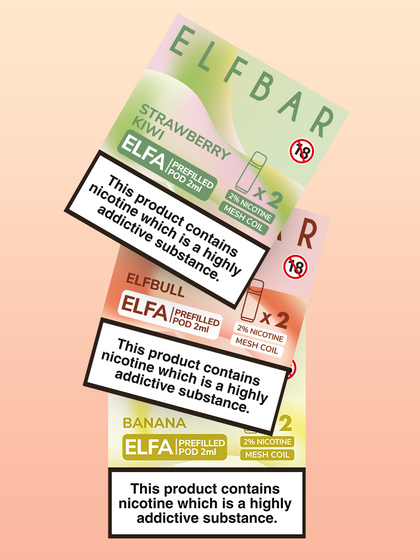
Are you ready to make the switch? Check out our selection of prefilled pod kits to get you started - Learn more here.
FAQs
Still have a question? Check out our frequently asked questions and answers, which we hope will answer any queries you may have...
How long do you cough up mucus after quitting smoking?
Most vapers cough up mucus for between a few days to a week. This will usually be longer for heavier smokers, which could last up to a few months, depending on your habit. This is just your lungs repairing themselves and over time you may notice great improvements in breathing and oxygen levels.
Are 0mg vapes bad for you?
Nicotine-free (0mg) vapes don't contain the addictive chemical nicotine. However, like other vapes, they still hold aerosol content, which features some potentially harmful chemicals like Formaldehyde and Acetaldehyde. It's advised to remember that nicotine-free doesn't mean risk-free. Learn more here on nicotine-free vaping.
Are all vapes bad for you?
Like tobacco, vapes come with their own health risks which include increased heart rate and blood pressure. Although vapour doesn't contain the tar and carbon monoxide from tobacco, most contain nicotine, an addictive substance, alongside other potentially harmful chemicals like Formaldehyde and Acetaldehyde. It's advised to use with caution.
What vapes should I start with?
For new vapers, the most ideal vapes to start with would be prefilled pod kits. These devices already come preloaded with e-liquid, saving the hassle of topping-up, while most are user-friendly and easy to set up - ideal for beginners. Pod kits like the Lost Mary BM6000 make popular choices for their convenience, flavour and performance.
Are cigarettes cheaper than vapes?
No, as it stands in the UK, cigarettes are far more expensive than vapes - one of the reasons many smokers are switching to vaping. Currently a pack of twenty cigarettes costs between £13-£16, which can work out an expensive habit in the long-term. Vapes on the other hand have replaceable pods and refill options that typically cost less, making them a cost-effective alternative to smoking.
Are cigarettes more addictive than vapes?
Although cigarettes and most vapes contain nicotine - a highly addictive substance, a study published on Science Direct found that most dual users considered cigarettes more addictive than vapes. Cigarettes offer quicker nicotine delivery, and also feature additional compounds that act as anti-depressants, creating greater dependency.
Are cigarettes or vapes worse?
While the long-term risks of vaping are still being studied, an NHS report concludes that vaping is less harmful than cigarette smoking. Vapour doesn't contain many of the harmful chemicals that tobacco does, which include tar and carbon monoxide - two of the most toxic chemicals in cigarettes. However, vapes are not risk-free and still contain some potentially harmful chemicals.
Are e-cigarettes addictive?
Most e-cigarettes, or vapes, contain nicotine, which is a highly addictive substance. The nicotine releases dopamine in the brain, giving you that 'feel-good' feeling that can lead to dependence over time. The regular hand-to-mouth routine is also likely to increase the habit.


