How Are E-liquids Made?
April 09, 2026

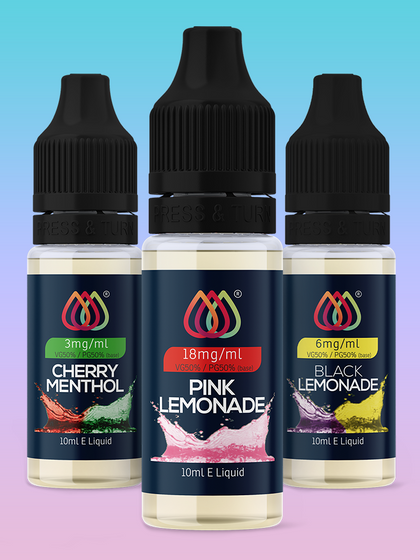
How are e-liquids made? Is one of the lesser asked yet still intriguing questions when it comes to the vaping industry. After all, you won't be able to find the ingredients in a bottle of e-liquid in your own kitchen cupboard! Read on to learn more about the e-liquid crafting process as well as what exactly is inside a bottle of e-liquid.
Ingredients in e-liquids
First things first in any good recipe is the ingredients, e-liquids are made using:
- Base ingredients: All e-liquids are made using two base ingredients, Vegetable Glycerin (VG) and Propylene Glycol (PG). The ratios of these base ingredients differ depending on type of e-liquid, for example nic salt e-liquids are generally 50-50 whereas shortfills are usually 70-30.
- Flavourings/ flavour concentrations: E-liquids also contain food grade artificial flavourings, meaning you would find the same flavourings in processed foods.
- Nicotine: Derived from tobacco leaves, nicotine is an addictive chemical. Not all e-liquids contain nicotine, for example shortfill e-liquids are nicotine free.
The e-liquid production process
Any mainstream e-liquid will be produced in an ISO grade clean room, ensuring your vape juice is made in a completely controlled environment and upholding stringent standards of safety and quality. Additionally, production staff are required to wear lab coats, masks, and hair covers, further reducing any contamination risk.
- Step 1: Sourcing ingredients - First of all, e-liquid manufacturers need to locate high-quality pharmaceutical/ food grade ingredients. This helps ensure e-liquids are of the best quality possible.
- Step 2: Weighing- All ingredients are weighed, many brands use their own unique recipes with different flavourings in different quantities.
- Step 3: Mixing - Then the ingredients are all mixed together, usually by machine but sometimes by hand.
- Step 4: Steeping - Many brands allow their e-liquids to steep for a while once mixed, this amplifies the intensity of the flavours. However, some companies skip this step for a faster production process.
- Step 5: Quality control - E-liquid manufacturers carefully test their product to ensure strict adherence to safety and quality standards. This includes tests of PH level, nicotine concentrations, and the quality of flavourings.
- Step 6: Bottling - Voila, the e-liquid is then put into individual bottles, again usually by a machine, especially in the case of bigger companies.
- Step 7: Labelling - A label is attached to the bottle detailing ingredients, regulation and compliance details. The label will also feature the brands name and the name of the e-liquid.
- Step 8: Packaging - E-liquids are packaged into boxes to be shipped to suppliers across the country/ the world.
Nic salt e-liquids generally provide vapers with higher nicotine strengths, fast nicotine absorption and a smooth throat hit. This type of e-liquid combines a stable form of nicotine found in tobacco leaves with benzoic acid. Use nic salts with simple MTL pod kits for mouth to lung vaping.
Shortfills are larger bottles of e-liquids (50ml or 100ml). They do not contain nicotine but nicotine can be added according to each vapers preference. Shortfills are often used as they are in sub ohm vaping.
You should ensure you use up your e-liquid between 3 months to 6 months after first opening it. Unopened e-liquids can last around a year, but this time can be extended if refrigerated/ frozen.
This depends on your vaping goals, those who have just quit smoking generally go for higher strengths to help keep cravings at bay, whereas those who enjoy cloud chasing opt for lower or no nicotine e-liquids.
Yes, e-liquid can expire. After a while the nicotine loses its potency and the flavourings can dull. Additionally when kept in warm conditions sometimes e-liquids can become affected by mould.
our e-liquids
- Fresh Menthol by Aquavape - 10ml
- Regular price
- £2.99
- Sale price
- £2.99
- Regular price
- Discount
- Unit price
- per
£2.99Rated 4.9 out of 5 - Wild Berry E-Liquid by Aquavape - 10ml
- Regular price
- £2.99
- Sale price
- £2.99
- Regular price
- Discount
- Unit price
- per
£2.99Rated 4.8 out of 5 - Raspberry Menthol E-Liquid by Aquavape - 10ml
- Regular price
- £2.99
- Sale price
- £2.99
- Regular price
- Discount
- Unit price
- per
£2.99Rated 4.8 out of 5 - British Tobacco by Aquavape - 10ml
- Regular price
- £2.99
- Sale price
- £2.99
- Regular price
- Discount
- Unit price
- per
£2.99Rated 5.0 out of 5 - Ice Mint E-Liquid by Aquavape - 10ml
- Regular price
- £2.99
- Sale price
- £2.99
- Regular price
- Discount
- Unit price
- per
£2.99Rated 4.0 out of 5 - Sweet Cherry E-Liquid by Aquavape - 10ml
- Regular price
- £2.99
- Sale price
- £2.99
- Regular price
- Discount
- Unit price
- per
£2.99Rated 5.0 out of 5 - Blueberry E-Liquid by Aquavape - 10ml
- Regular price
- £2.99
- Sale price
- £2.99
- Regular price
- Discount
- Unit price
- per
£2.99Rated 4.7 out of 5 - Black Jack E-Liquid by Aquavape - 10ml
- Regular price
- £2.99
- Sale price
- £2.99
- Regular price
- Discount
- Unit price
- per
£2.99Rated 5.0 out of 5 - Strawberry E-Liquid by Aquavape - 10ml
- Regular price
- £2.99
- Sale price
- £2.99
- Regular price
- Discount
- Unit price
- per
£2.99Rated 4.5 out of 5 - Cherry Menthol E-Liquid by Aquavape - 10ml
- Regular price
- £2.99
- Sale price
- £2.99
- Regular price
- Discount
- Unit price
- per
£2.99Rated 5.0 out of 5


Related Posts
-

13/08/2026
How to Unlock Pixl Duo 12 Vape
Having trouble unlocking your Pixl Duo 12 device? This article takes you through the steps on how to unlock a Pixl Duo 12 vape. Learn more here!
-

31/07/2026
Have Your Say: The Future Of Vaping Packaging and Display
Want to have your say on the future of vaping? This article lays out the government's plans and what you can do to help!
-

10/06/2026
How to Unlock Pixl 8000 Vape
Having trouble unlocking your Pixl 8000 vape? This guide on how to unlock a Pixl 8000 vape takes you through the steps so you can unlock your device and start vaping!


